
New Detached ADU in Round Rock: What It Costs and What Actually Stops Projects
A new detached ADU in Round Rock typically runs $180,000 to $320,000 all-in, from the first site survey through final inspection. That’s the honest range, and it accounts for the two things that shape pricing here more than anywhere else in Williamson County: HOA deed restrictions that can kill a project outright, and black clay soil that demands an engineered foundation. If you’re already looking at a written estimate, call (971) 497-2402 for a free second opinion, because we’ll read the line items against Round Rock’s actual conditions, not a generic Texas template.
Round Rock isn’t Austin. That sentence saves homeowners about six months and roughly $8,000 to $15,000 in wasted plan fees. We’ll get into the specifics below.
Round Rock’s Real First Permit Authority: The HOA, Not the City
Here’s the thing most Round Rock homeowners learn the hard way. You read about Austin’s 2019 ADU deregulation, you assume it applies to you, and then you find out Round Rock is a wholly separate municipality under Williamson County. Austin’s reforms stop at the city line. Round Rock has its own development code, its own permitting process, and its own inspection schedule. But even before you get to Round Rock’s planning desk, you face a gatekeeper Austin homeowners don’t: the HOA architectural review board.
Most of Round Rock’s housing stock sits in master-planned communities built between the 1990s and 2010s. Teravista. Stone Canyon. The Brushy Creek corridor. These subdivisions have CC&Rs that either flat-out prohibit detached accessory structures with independent kitchens, or cap them at a square footage that makes a functional ADU impossible. No city permit overrides a deed restriction. The HOA can and will stop your project at variance review before the city ever stamps a drawing. We’ve had Round Rock clients spend months on plan sets only to hit a hard no from their HOA board. That’s why our first question on any detached ADU inquiry in Round Rock is never about zoning. It’s “what’s your HOA?”
For a portion of Round Rock, the path is clearer. Older blocks near historic downtown Round Rock, the pre-1970s bungalows and cottages off Mays Street and around Main Street, generally sit outside HOA governance. Those lots are small, and the infrastructure is aging, but the regulatory path is often simpler. A detached New Detached ADU on an HOA-free lot near downtown Round Rock is a genuinely viable project, assuming the foundation work is priced correctly from the start.
How Round Rock’s Soil Changes the Foundation Line Item
Central Texas is built on expansive black clay. Round Rock is no exception. This soil swells when it rains and shrinks when it dries, and over a single wet-dry season, the movement is enough to crack a standard residential slab. For a detached ADU, that means you don’t get to pour a conventional foundation and walk away. You need either an engineered slab with proper reinforcement and moisture barriers, or a pier-and-beam system that resists differential heave. Either option adds $15,000 to $35,000 to the project relative to the number a contractor might quote you off a standard slab assumption.
We see this failure in Round Rock regularly. A contractor quotes a slab that works in other parts of Texas. The first summer passes. The clay dries and contracts. The slab cracks at the corner, the door to the ADU misaligns, and drywall cracks spider across the interior. In Teravista and similar subdivisions, we’ve been called to look at exactly this scenario more times than we’d like. The fix costs more than doing it right the first time. Under The Haven Standard, our foundation line item is written for Round Rock’s actual soil conditions, not a hopeful generic. You get the engineered number before we start, not a change order after the slab fails.
What Opening Up an Older Round Rock Home Actually Reveals
If you’re adding a detached ADU in Round Rock, the ADU itself isn’t always the problem. The tie-in to the existing house often is. Older homes near downtown Round Rock, the 1960s and 1970s builds, carry electrical and structural surprises that a permit will force you to address the moment work begins. We opened up a 1972 bungalow on Mays Street and found the original panel running on 60-amp service, knob-and-tube wiring in the back wall where the ADU would tie in, and sill plates rotted from decades of clay-soil heave. Our inspector flagged all of it before demo started. We wrote a change order for a 200-amp panel upgrade and new treated sill plates. The homeowner approved the extra $8,400 in writing before we touched the wall. That’s how it should work.
Most Round Rock remodel quotes move because of what’s inside the walls, not because the ADU scope changed. An honest contractor will tell you that before you sign. The Haven Standard, Clause 1, requires a written price before any work begins, and Clause 5 locks the scope at signing. But no contractor can see through drywall. What we can do is write allowances into the contract for the known unknowns, priced by trade and by likely condition, so a surprise isn’t a blank check. You know going in that a 60-amp panel upgrade runs $4,000 to $6,500, that re-wiring a tie-in point runs $3,000 to $8,000 depending on access, and that sill plate replacement runs $2,500 to $7,000 if rot is found. When something does surface, a written change order goes to you with a price before we proceed. That’s the difference between a design-build studio and a contractor who prices at the door.
Why Ellery ADU Studio for Round Rock Detached ADUs
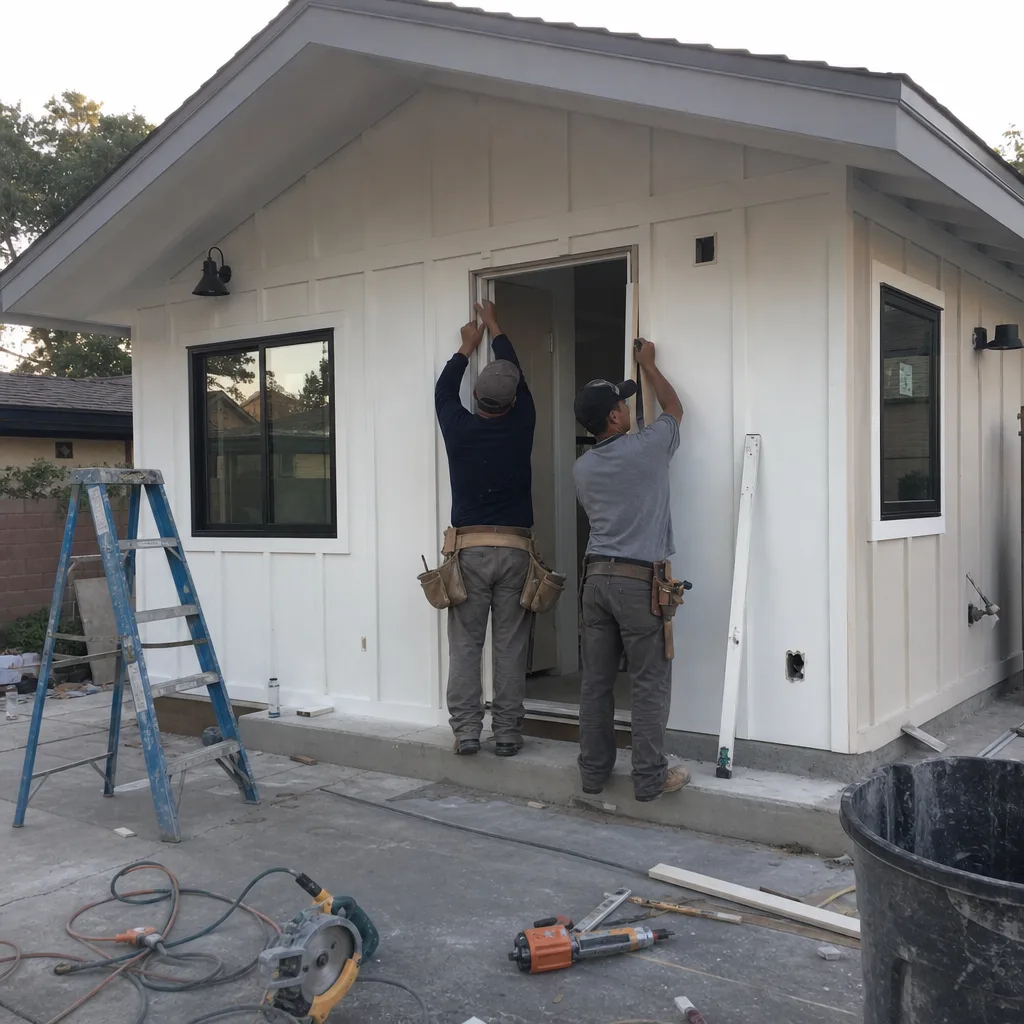
We’re a design-build studio, founded in 2015 under the leadership of Nadia Ellery. That means the drawings, the permit set, and the construction are one contract at one written price. There’s no designer blaming the builder when a wall lands in the wrong place, because the same team that drew it builds it. For a Round Rock homeowner, that matters more than usual, because the HOA and soil conditions here create enough friction without adding a contractual blame gap.
We’ve designed, permitted, and built over 900 ADUs since 2015, every one of them with a written price before work started and a documented photo record when work was complete. Round Rock clients get the same treatment: a permit set with real engineering, not a sketch; a photo record of every visit; and the 365-Day Done Right Promise, in writing, before the project starts. If the finished ADU isn’t built to the permitted drawings, we make it right. That promise is named, not vague, and it’s in the contract.
One practical note: dispatch and scheduling for Round Rock are coordinated from our Austin office, with crews serving Round Rock locally. A live person answers calls 24/7. If you’ve already got a written estimate from another builder, bring it in for a free second opinion. We’ll go line by line against Round Rock conditions and tell you what’s missing.
Our New Detached ADU Services in Round Rock
Custom Built ADU
A custom detached ADU in Round Rock is the right call when your lot conditions demand a specific footprint, or when HOA rules allow an accessory structure but constrain its placement. We design and build to the exact setback, height, and easement requirements of your specific Round Rock property. Custom builds on HOA-free lots near downtown Round Rock typically run $200,000 to $320,000 depending on size, foundation type, and the condition of the existing electrical service you’re tying into.
Studio ADU
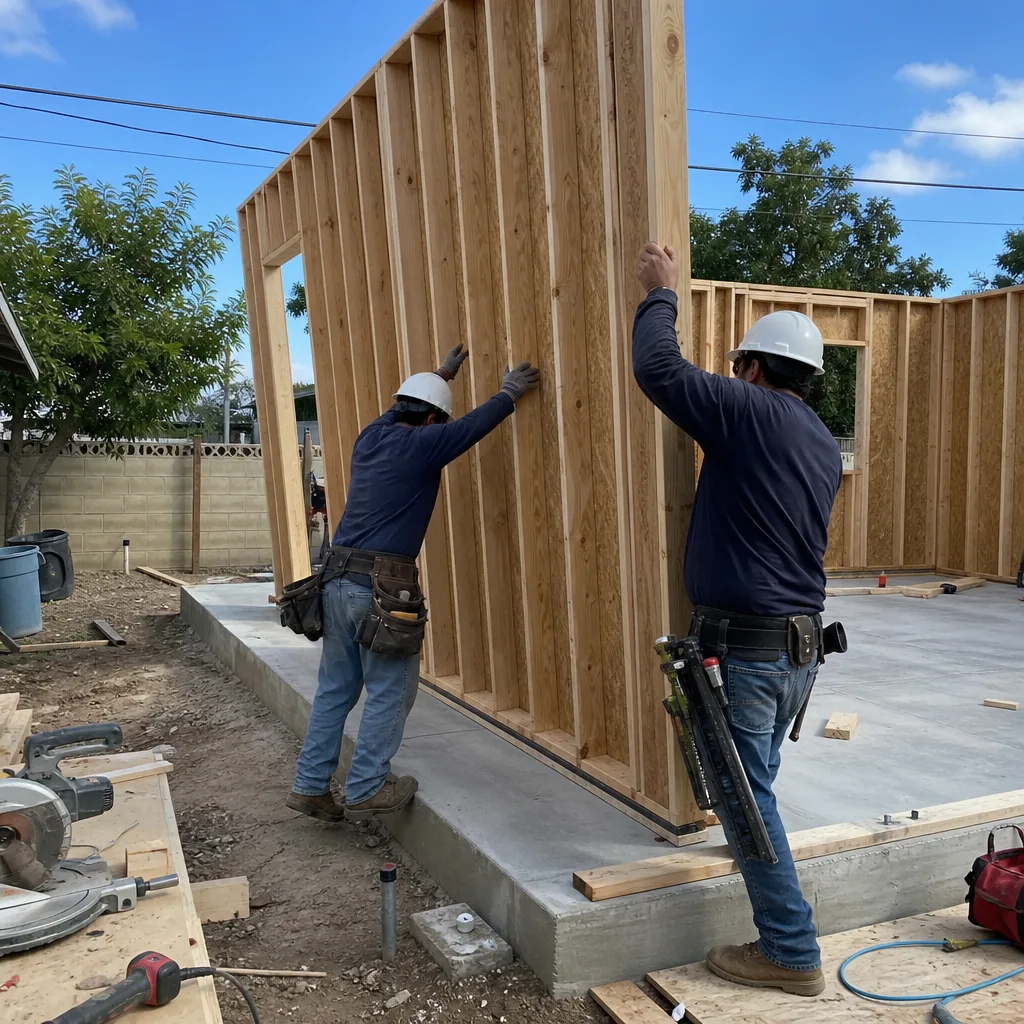
A studio ADU, typically 350 to 500 square feet, is the most common detached ADU we build in Round Rock. It fits within the square footage caps some older Round Rock neighborhoods allow, and it’s the most realistic option on small downtown lots where a full one-bedroom won’t meet setback requirements. Studios in Round Rock run $165,000 to $225,000, with the foundation and utility tie-in representing a larger share of the cost here than in other Texas markets because of the clay soil.
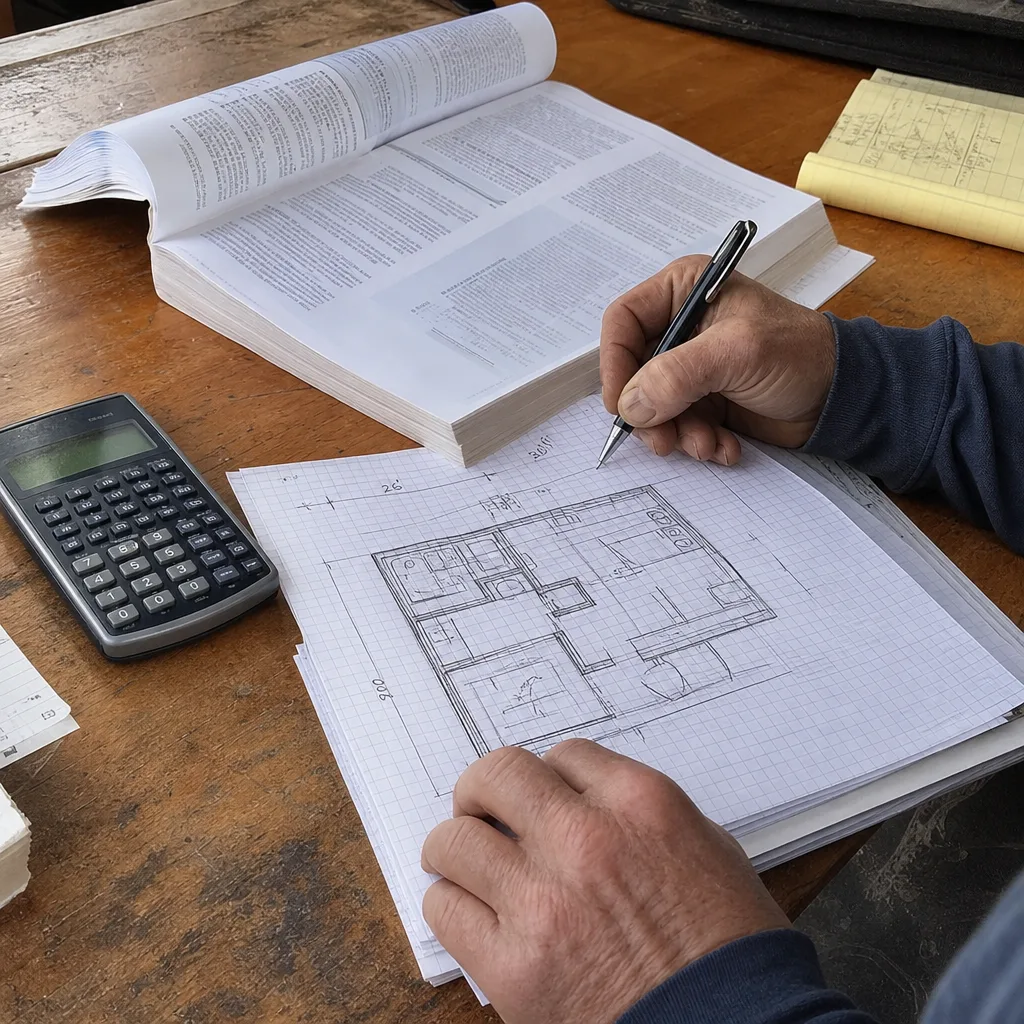
1-Bed and 2-Bed ADU
One-bedroom and two-bedroom detached ADUs serve the long-term rental and multi-generational demand that’s grown in Round Rock as home prices have climbed. A 600-square-foot 1-bed typically lands between $210,000 and $280,000 in Round Rock, while a 2-bed around 850 square feet runs $250,000 to $320,000. The bigger number isn’t just square footage, it’s the HVAC. We’ll get to that below, because undersized mechanical systems are the top post-occupancy complaint we hear from Round Rock ADU owners in August.
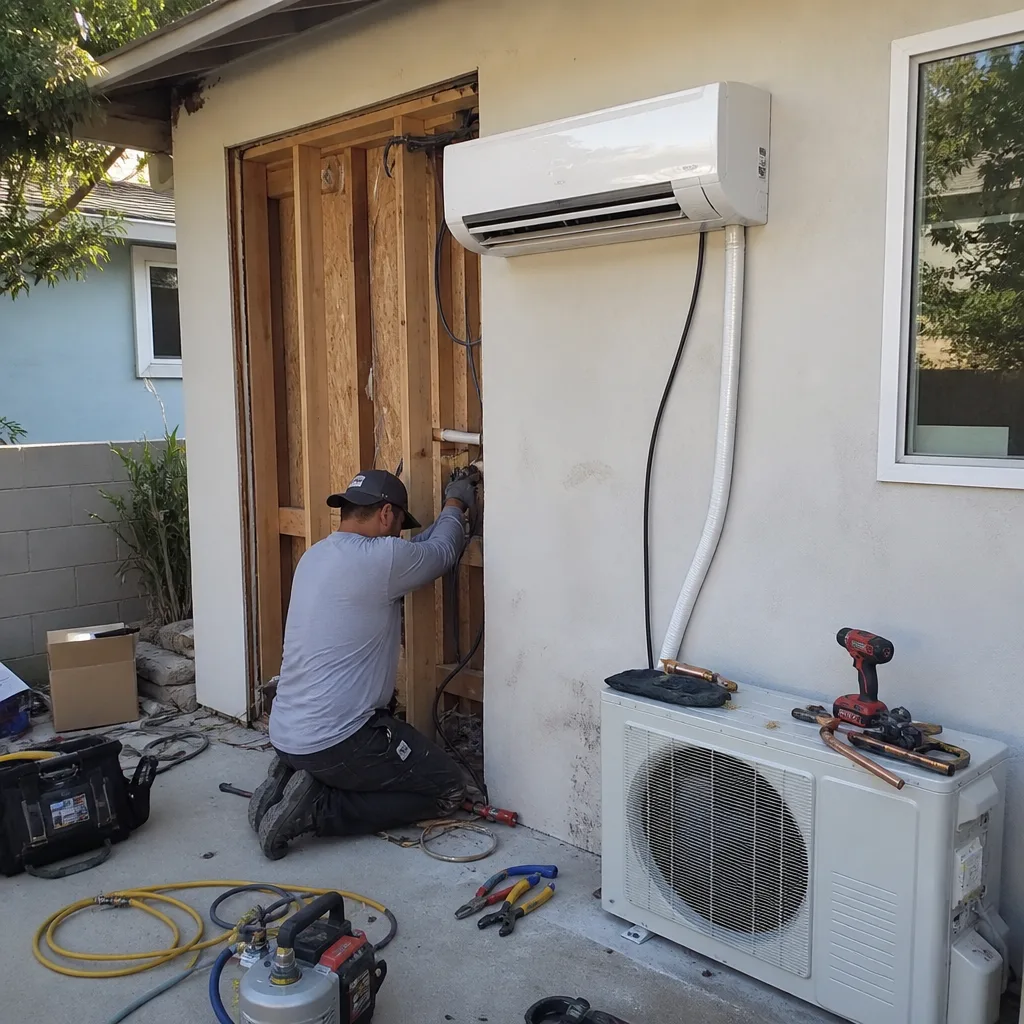
Prefab ADU Installation
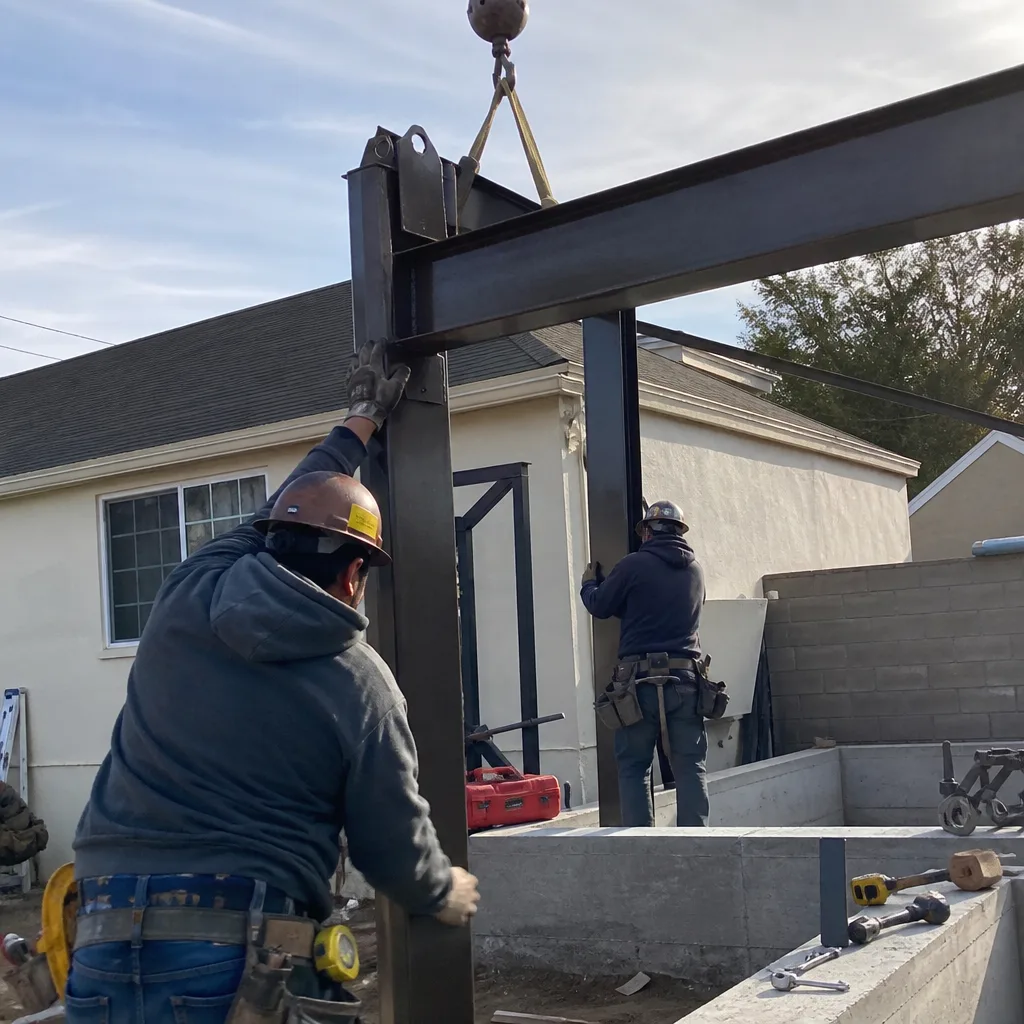
For Round Rock lots where on-site construction time matters, we specify and coordinate prefab and modular ADU systems from Abodu, Cover, Dvele, and Mighty Buildings. You still need an engineered foundation for the clay soil, and you still need a utility tie-in that meets Round Rock code. But the unit itself arrives as a manufactured structure, which can shorten on-site time by weeks. Prefab detached ADUs in Round Rock run $175,000 to $300,000 depending on brand, unit size, and site work required.
What happens when you call
- 1
A real person answersNo phone trees - you reach a local pro.
- 2
You get an upfront price rangeHonest numbers before anyone is dispatched.
- 3
A background-checked tech heads outLicensed & insured, dispatched right away.
- 4
You approve before work beginsNothing starts until you say go.
Common New Detached ADU Problems We See in Round Rock
- HOA denial after plan investment. Homeowners in Teravista, Stone Canyon, and the Brushy Creek corridor often pay for survey and conceptual plans before discovering the HOA deed restrictions ban detached ADUs outright or cap them below viable size. We check HOA CC&Rs before you spend a dime on drawings.
- Cracked slabs from expansive clay. Standard slab assumptions fail in Round Rock’s shrink-swell soil. Door misalignment, drywall cracks, and slab settlement show up after the first wet-dry cycle. We engineer for the soil, not the shortcut.
- Undersized HVAC in August. A detached ADU with a mini-split sized for a milder climate won’t hold 78°F when Round Rock hits 100°F for two straight weeks. We right-size the mechanical system during design, not after the first complaint.
- Electrical surprises at the tie-in. Older Round Rock homes, especially pre-1980 builds near downtown, carry 60-amp panels, knob-and-tube remnants, or undersized service. The permit process triggers the upgrade, and an honest quote accounts for that before work starts.
Pricing for New Detached ADU in Round Rock, TX
So what does a new detached ADU actually cost in Round Rock? A studio ADU runs $165,000 to $225,000. A 1-bedroom runs $210,000 to $280,000. A 2-bedroom runs $250,000 to $320,000. Custom builds on difficult lots can exceed $350,000, but that’s the exception, not the norm. The two Round Rock-specific variables that move the number are foundation engineering for expansive clay ($15,000 to $35,000) and electrical service upgrades if your existing panel is undersized ($4,000 to $6,500).
Every price we issue is written, before work starts, under Haven Standard Clause 1. We don’t do verbal estimates and we don’t do door-side adjustments. If the scope changes because of something we find inside a wall, you get a written change order with a number before we proceed. Call (971) 497-2402 to schedule your free estimate for a detached ADU in Round Rock.
We Also Serve Cities Near Round Rock
Beyond Round Rock, our crews serve Pflugerville, Cedar Park, Leander, and select areas of Austin. If you’re just outside Round Rock proper, call (971) 497-2402 and we’ll confirm whether we cover your address before you drive anywhere.
Serving Round Rock, TX - Our Local Coverage Area
We’re based in the Round Rock area and know this community well. Use the map below to see our service coverage - if you’re nearby, we can almost certainly help.
FAQs - New Detached ADU in Round Rock
Probably not, and the answer lives in your CC&Rs, not in Round Rock’s zoning code. Teravista is an HOA-governed master-planned community, and its deed restrictions generally prohibit detached accessory structures with independent kitchens or above a certain square footage. Round Rock’s municipal zoning might permit what the HOA forbids, and the HOA wins. Before you spend anything on plans or surveys, we pull and review your specific HOA’s CC&Rs to tell you whether the project is even viable. Call (971) 497-2402 and we’ll do that review as part of your free estimate.
Because the older home you’re tying into had conditions no one could see before demo. In Round Rock, that typically means undersized electrical service, knob-and-tube wiring, or rotted sill plates from clay-soil heave. A 1970s bungalow near downtown Round Rock taught us this exact lesson: a 60-amp panel, hidden wiring, and rotted sills added $8,400 in written change orders, all approved before work continued. The key is whether the contractor wrote allowances for these conditions into the original contract. We do, with line-item pricing per trade and per likely condition. If your quote jumped without a documented reason, call (971) 497-2402 and we’ll review your change order against Round Rock’s actual failure modes.
Yes. Round Rock sits on expansive black clay that shrinks and swells with seasonal moisture changes. A standard residential slab will crack under a detached ADU, typically within the first wet-dry cycle. We see it in Teravista and across the Brushy Creek corridor: door misalignment, drywall cracks, and slab settlement that could have been prevented. An engineered slab or a pier-and-beam system adds $15,000 to $35,000 relative to a conventional slab. Call (971) 497-2402 for an exact foundation number based on your lot’s soil report.
Yes, assuming the lot and the HOA allow it. We specify and coordinate prefab and modular systems from Abodu, Cover, Dvele, and Mighty Buildings within our single design-build contract. Boxabl and Abodu units still require an engineered foundation for Round Rock’s clay soil, a code-compliant utility tie-in, and a permit pulled through Round Rock’s planning department. The HOA question still applies first. Call (971) 497-2402 to find out if your specific subdivision will allow a prefab unit at all.
Right-sized, not under-sized. A detached ADU in Round Rock faces 100°F summer days for weeks at a stretch, and the top post-occupancy complaint we hear is a mini-split that can’t keep the unit below 78°F in August. The correct sizing depends on the unit’s square footage, ceiling height, window orientation, and insulation package. We run a Manual J load calculation during design, not after installation. Call (971) 497-2402 and we’ll include the right mechanical spec in your written estimate.
Ready to talk numbers? Call (971) 497-2402 to schedule a free estimate for a new detached ADU in Round Rock. You’ll get a written price, a documented scope, and a straight answer about whether your HOA will let it happen.
Written by Nadia Ellery, Owner at Ellery ADU Studio, serving Round Rock since 2015.