
Dvele Junior ADU Conversion: The Los Angeles Owner’s Guide
A Dvele junior ADU conversion in Los Angeles typically costs $28,000-$52,000 all-in, drawings through final inspection, depending on whether you’re converting an attached garage, a portion of the primary dwelling, or an existing bonus room. We stock and install the conversion hardware, panel systems, and finishing components Dvele homes require, and we can usually begin within two to three weeks of a signed contract. Most owners discover they need this work when a failed door seal, a delaminated panel, or a worn exterior penetration lets moisture in, or when the LADBS plan check flags the existing conversion as non-permitted and the financing stalls.
Which Dvele Models This Applies To
We work on the full Dvele product line: the IQ series, the Adapt line, and the earlier Dvele homes built between 2018 and 2023 that are now aging into their first major component replacements. The junior ADU conversion components differ from Dvele’s detached units in one specific way: wall panels on attached conversions are often 2×6 steel framing with a different chase depth than the 2×4 panels used in standalone modules, which changes how electrical and plumbing lines run. If you’re not sure which generation you have, look for the serial plate on the exterior wall near the main electrical panel. The first two digits of the serial number indicate the production year. We match OEM Dvele components where they’re still available, and for discontinued trim profiles and window flashings, we specify aftermarket equivalents from the same manufacturers Dvele sourced originally, not generic big-box substitutes.
Signs Your Dvele Junior ADU Conversion Is Failing
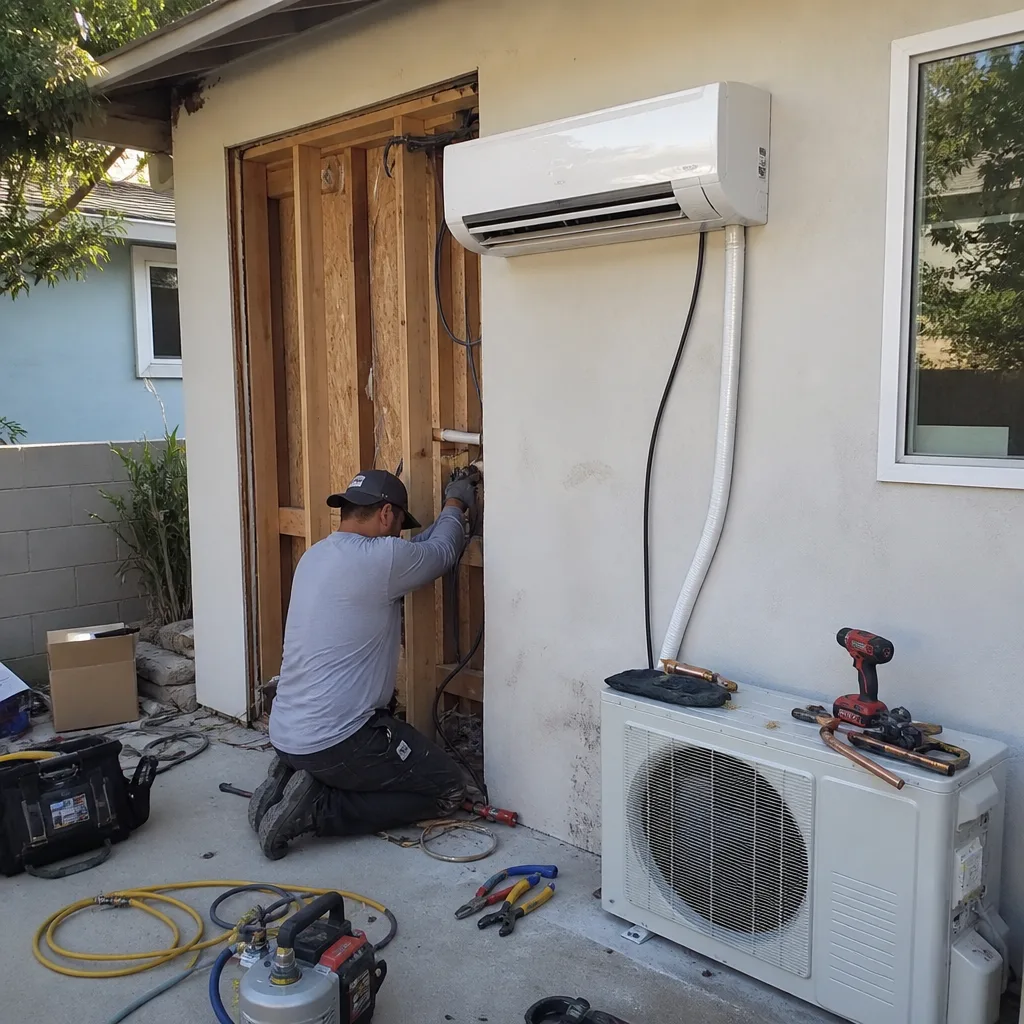
- Musty smell near the shared wall. Dvele’s early attached conversions used a specific flashing detail at the roof-to-wall intersection that fails in Los Angeles’s wet winters. Water migrates behind the panel and the first sign is odor, not visible staining.
- Doors that stick or won’t latch cleanly. Steel-frame Dvele panels expand and contract differently than wood framing. A door that binds in summer but works in winter usually means the rough opening has shifted and the panel connection needs inspection.
- Visible gaps at panel seams. Dvele’s panel joints are sealed with a specific polyurethane sealant. After five to seven years in California UV exposure, that sealant hardens and cracks. You’ll see hairline gaps at the ceiling-to-wall transition first.
- Electrical flicker on the conversion circuit. Dvele homes run power through a factory-installed distribution block. If the conversion’s circuit flickers when appliances cycle, the issue is often a loose lug at that block, not a failing appliance.
- Water staining at window corners. The factory window flashing on early Dvele conversions didn’t account for Los Angeles’s specific rain pattern: short, intense bursts followed by long dry spells. The flashing fails at the bottom corners first.
Replacement Cost & What’s Included
Here’s the Los Angeles pricing picture for a Dvele junior ADU conversion, written out the way we’d put it in your contract.
- Interior conversion only (existing permitted space, no structural work): $28,000-$38,000. Includes panel resealing, door adjustment, trim replacement, paint, and electrical verification.
- Conversion with utility relocation: $35,000-$48,000. Adds plumbing rough-in, electrical subpanel work, and the LADBS inspection sequence.
- Full conversion including exterior flashing and weatherproofing repair: $42,000-$52,000. Includes removing and reinstalling window and door flashings, replacing the roof-to-wall intersection detail, and resealing all panel joints.
Every line item is written before work starts, per Haven Standard Clause 1. You’ll know the material cost, the labor hours, and the permit fees before you sign. No change orders on a properly scoped job.
DIY or Call Us?
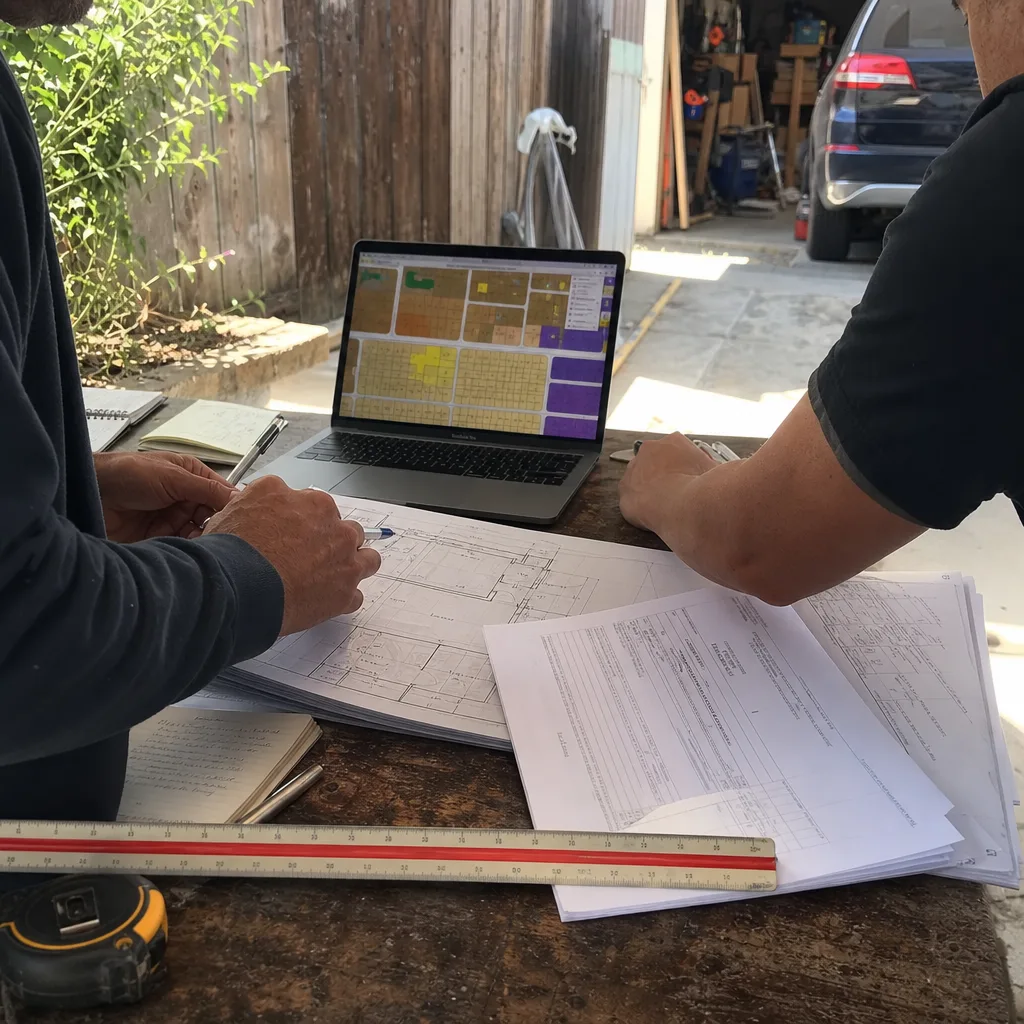
You can safely check a few things yourself: look for visible panel gaps, inspect window corners for staining, and note whether doors bind seasonally. That’s useful information for the estimate. What you should not do is pull panels, open the distribution block, or attempt to reseal exterior flashings from a ladder. The steel frame panels are under load, and the electrical block carries full project current. Opening either one without knowing the Dvele assembly sequence creates a safety risk and usually makes the repair more expensive. The drawing either satisfies the inspector or it doesn’t. Let’s make sure it does. Call (971) 497-2402 and we’ll walk the site, photograph what we find, and give you a written price.
FAQs
Expect fifteen to twenty years from factory seals and flashings before the first meaningful repair, assuming the unit was installed correctly. In Los Angeles, UV exposure on south-facing and west-facing walls shortens that to roughly ten to twelve years, which is why we see so many 2018-2020 Dvele units coming due for conversion work now. Call (971) 497-2402 and we’ll tell you exactly where your unit sits in that cycle.
Most issues can be repaired without full replacement. The exceptions are panel delamination that spans more than a third of a wall or a roof-to-wall intersection that has rotted the underlying connection. We’ll tell you which one you have before any work begins. Estimates are free, always.
An interior-only conversion takes two to three weeks in Los Angeles, including LADBS inspection. A full weatherproofing repair runs four to six weeks depending on roof access and window count. We schedule the permit sequence to avoid idle days on site.
We stock the common failure items: panel sealant, window and door flashings, trim profiles, and the distribution block lugs. Discontinued Dvele components get sourced from the original suppliers, and we do the same coordination for Abodu and Cover homes when those owners come to us with similar conversion issues.
Written by Nadia Ellery, Principal, Ellery ADU Studio at Ellery ADU Studio, serving Los Angeles and nearby areas.