
Boxabl Site Prep & Utilities: The Los Angeles Owner’s Guide
Site prep and utility work for a Boxabl unit in Los Angeles typically runs $18,000-$45,000 installed, depending on lot slope, trenching distance, and whether your panel needs an upgrade. We stock the common components on our trucks: the 200-amp disconnect housings, the Schedule 40 conduit runs, the seismic tie-down kits, and the water/sewer stub-outs sized for a Boxabl Casita’s 8-foot-6 by 19-foot-4 footprint. Most owners discover a problem not through a failed part, but through an LADBS correction notice or a utility provider flagging a nonconforming connection. What we see most often: a slab or pier system that was poured to generic specs, not to the Boxabl chassis bolt pattern, and the city inspector catches it at the rough-in check.
We’re an independent design-build studio, not a Boxabl dealer or factory affiliate. We’ve coordinated Boxabl placements across Los Angeles since the Casita began shipping into California, and the site work is no different from what we do for Abodu, Cover, or Dvele systems: the drawings get submitted to LADBS, the utilities get connected to DWP or SoCalGas spec, and the unit lands on a foundation that’s documented, not improvised.
Which Boxabl Models This Applies To
The Casita is the only Boxabl model currently delivered to Los Angeles residential lots, and its site requirements are unusually specific. The chassis has a fixed anchor pattern, which means your concrete pad or pier layout must be engineered to those exact bolt locations, not centered on the unit dimensions. The fold-down walls add a wrinkle: the unit arrives at roughly 8 feet 6 inches wide before unfolding, so the delivery corridor and pad access have to accommodate a 19-foot-4-inch folded module, not the 375-square-foot unfolded footprint.
For parts, look at the utility panel on the exterior of the unit: near the shore-power inlet you’ll find the factory spec plate. It lists the chassis revision and the recommended service amperage, usually 100 amps for a Casita with standard appliances, 150 or 200 if you have two mini splits and an induction cooktop. This matters because the disconnect and feeder sizing in the city permit must match that plate, or the inspector will bounce the set. We specify OEM Boxabl stubs and chases when the unit is new enough that warranty is a concern, but for utilities we often run quality aftermarket components (Cantex Schedule 40, Square D disconnects, Champion cooler pads for the condensers) because they’re stocked locally and the warranty covers the work, not the brand of conduit. The one thing we won’t substitute: the seismic hold-down hardware. In Los Angeles, that needs to come from a supplier whose load ratings are stamped for LA County seismic zone 4, and the paper trail is part of the permit closeout.
Key Takeaways:
- Casita requires a foundation engineered to the chassis bolt pattern, not to the exterior dimensions.
- Match the service amperage on the factory spec plate to your feeder and disconnect; LADBS will check.
- OEM for unit-side connectors while parts are under warranty; local aftermarket is fine for conduit, pads, and concrete.
- Seismic hold-down hardware needs stamped load ratings for LA County. No exceptions.
Signs Your Boxabl Site Prep & Utilities Is Failing
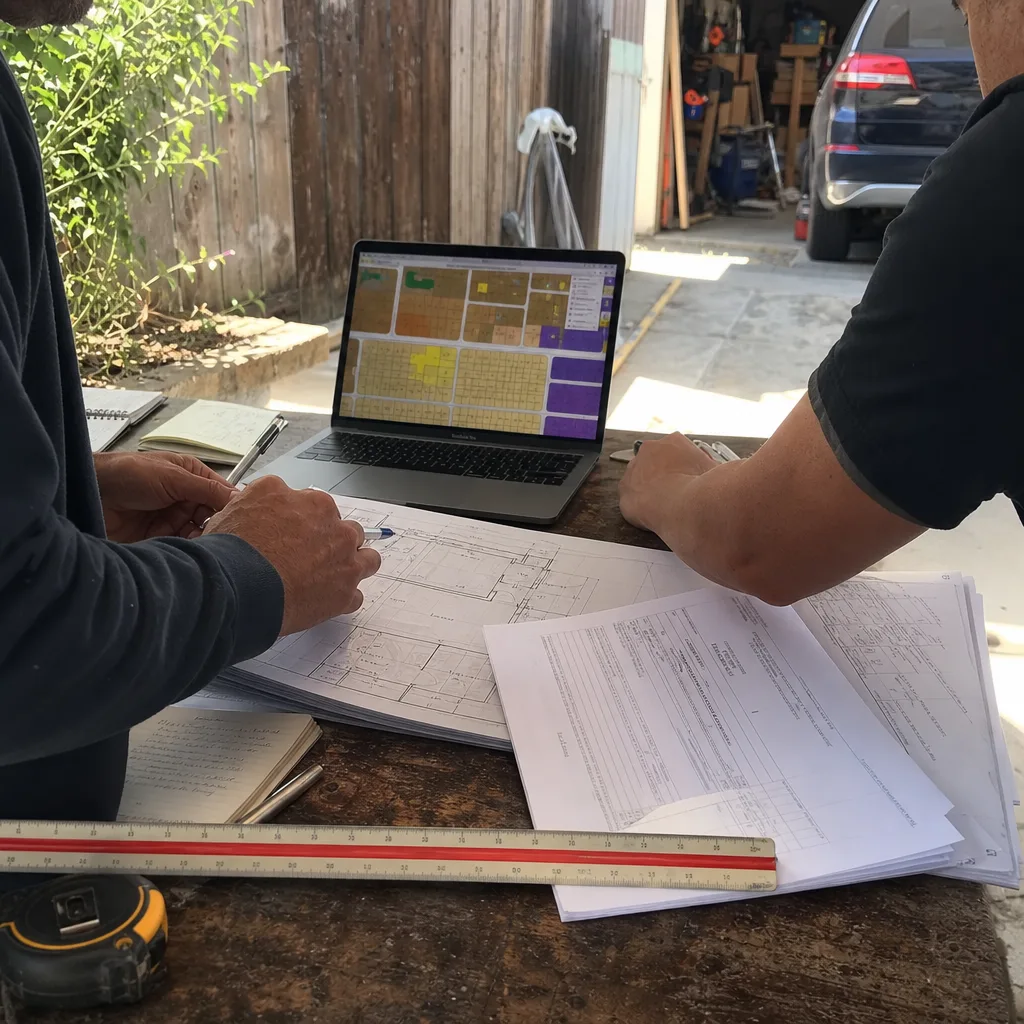
Most Boxabl site and utility failures in Los Angeles show up slowly, and none of them are dramatic until the day they are. Here’s what we see when we get the call.
- Intermittent breaker trips or voltage sag when the mini-split cycles on. This usually means the feeder is undersized for the actual load, or the panel bus has thermal damage. The fix is rarely the breaker; it’s the conductor run from the DWP meter to the unit’s service panel.
- Water pooling near the pad corners or standing under the unit after rain. The pad wasn’t poured with the right drainage slope, or the soil under the edge is eroding. In the San Fernando Valley, this shows up after the first real January rain; in the hills, it can show up the first winter.
- The unit sits visibly out of level when you set a ball on the floor. The pad or pier system settled. This is more than comfort; a Boxabl’s wall panels bind against each other when the chassis is torqued, and that stress lands directly on the folding joints.
- Water pressure inside the unit drops when the outside spigot is running. The utility tie-in has a crimped pex line or an undersized shutoff at the meter, often from a handyman install that used a hose-bib adapter instead of a real stub-out.
- The city sends a correction notice or the utility provider won’t authorize the meter setting. This is the one owners tend to miss until the permit is already in review. The connection is nonconforming, the conduit depth is wrong, or the panel rating doesn’t match the submitted plans.
Each of these has a specific fix, and the first step is the same: we put eyes on the connection point, photograph what we find, and give you a written line item for the correction. Nothing gets touched until you see the number.
Replacement Cost & What’s Included
In the Los Angeles market, here’s the range we quote most often.
| Line Item | Typical Range |
|---|---|
| Concrete pad or pier repair/re-level (Casita) | $4,500 - $12,000 |
| Electrical service upgrade to 200A + feeder run (short run) | $6,000 - $11,000 |
| Trenching for water, sewer, and power (per linear foot, hard dig) | $85 - $210 |
| Seismic tie-down kit, installed + engineered stamp | $3,200 - $7,500 |
| Utility stub-out corrective work (water/sewer reconnection) | $2,800 - $6,500 |
This range reflects what we see across Los Angeles: a flat lot in Northridge with a short utility run lands on the lower end; a hillside lot in Echo Park with a 60-foot trench through decomposed granite and an existing 100-amp panel will run toward the top. Every quote we write includes the parts, the labor, the permit fees LADBS charges, and the engineering stamp if one is required for the fix. You receive a written scope and a written price before work begins, under Clause 1 of The Haven Standard. If the job needs a change, you receive a written change order, priced, before we proceed. The work itself carries a one-year workmanship warranty, and we photograph the work at each stage so the file is complete.
DIY or Call Us?
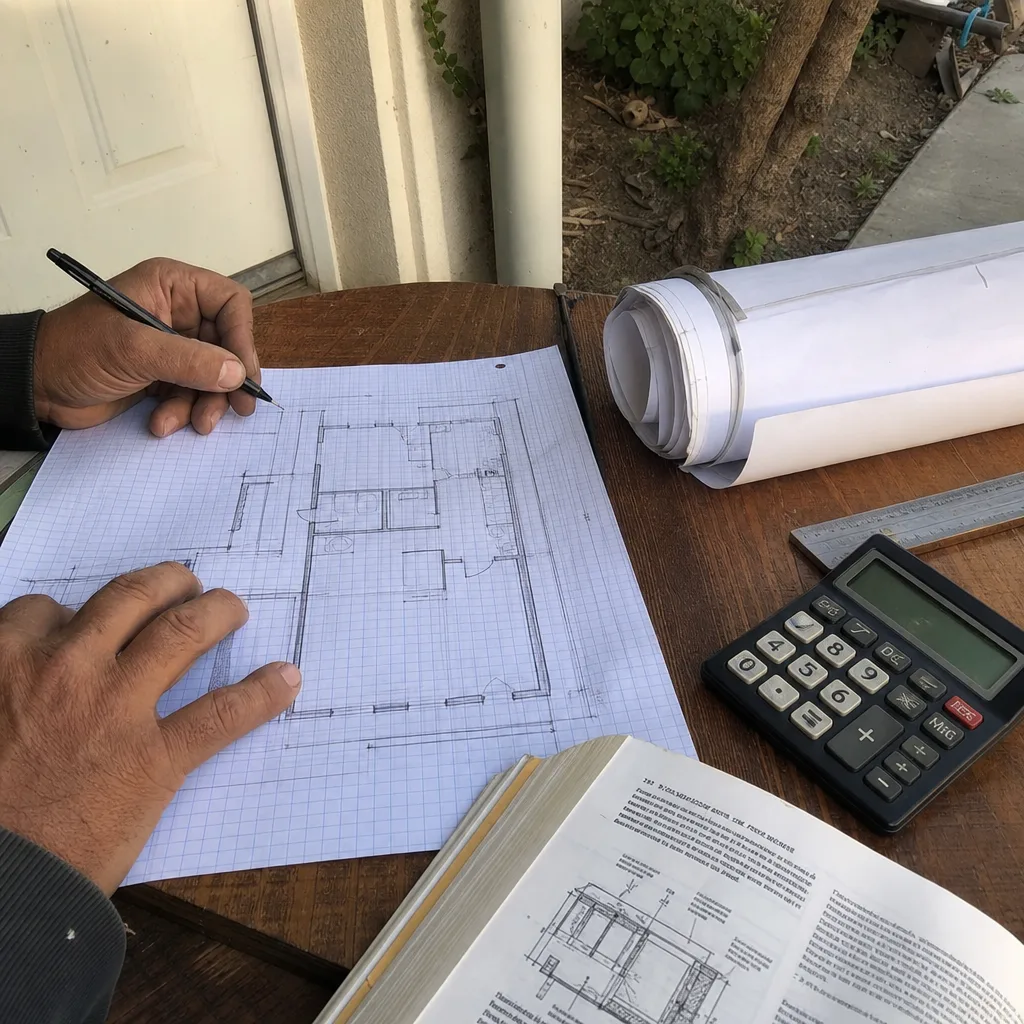
There are parts of this you can handle, and parts we’d rather you didn’t. Checking the amperage on your spec plate, photographing the utility panel, sweeping water away from the pad, noting when breakers trip: those are all worth doing, and they help us quote you faster. Digging a 24-inch trench across a yard that may have a gas line running through it isn’t. Connecting a 200-amp service isn’t. And lifting or re-leveling a folded-module chassis isn’t something any owner should attempt without a crane and a structural engineer, because the torque on the fold joints can cause damage that costs more than the re-level would have.
The dangerous work here is the electrical, and it deserves the same respect as the gas connection. A miswired service panel or an undersized feeder doesn’t just trip; it can overheat behind a wall and fail quietly for years. We’re the ones pulling the LADBS permit and signing the meter request, and that’s not because we enjoy paperwork. It’s because the inspector verifies what we did, and you get a record of it. If you’re not sure whether something is safe to look at, call us at (971) 497-2402 and describe what you see; we’ll tell you flat out whether it’s a photograph-it-yourself situation or a keep-the-main-off situation.
And if you have a written estimate from another shop in hand, send it over. Nadia Ellery founded this studio on the idea that a permit set either satisfies the inspector or it doesn’t, and that principle applies to every estimate we review too. The drawing either satisfies the inspector or it doesn’t. Let’s make sure it does.
FAQs
A properly engineered pad with good drainage will last 30-plus years in Los Angeles weather, and a correctly sized electrical feeder should last the life of the unit under normal load. What shortens the lifespan here isn’t the climate; it’s cut corners. We see pads poured at 3 inches when 4 was specified, conduit buried 12 inches deep when 18 was on the drawings, and feeders sized to the current load with no headroom for a second mini-split. In the Valley heat, that undersized conductor ages fast. Call (971) 497-2402 if you want us to look at what’s actually installed at your property.
Most issues we encounter are repairable without teardown. A settling pad can sometimes be stabilized with helical piers. A short conduit run can be re-pulled without re-trenching. The situations that require replacement tend to be the ones where someone poured concrete without a plan and the slab has cracked through in a way that won’t stabilize. We’ll tell you which one you have after we inspect, and the written estimate will name the exact scope, not a vague “repair as needed” clause. Written price before work starts, every time.
A typical corrective utility job, like a panel upgrade or a stub-out reconnection, runs two to four working days including the inspection. A full pad replacement with re-leveling runs one to two weeks, more if we’re working around a trenching schedule on a hillside in the canyon neighborhoods. We’ll give you a written schedule with the estimate, and we photograph every visit so you can see the progress without asking us. For a quicker answer on your specific job, call (971) 497-2402.
We stock the standard utility components on our trucks: the disconnects, the weatherheads, the wet-area conduit, the seismic strapping, the concrete forms and rebar chairs for a Casita pad. For OEM Boxabl-specific chassis connectors and stub plates, we order through the same distribution channels as every other Boxabl installer in Los Angeles, usually a three-to-five-day lead. We don’t ask you to source parts; everything is included in the written price, and we handle the procurement file so the permit set matches the parts on site.
Written by Nadia Ellery, Principal, Ellery ADU Studio at Ellery ADU Studio, serving Los Angeles and nearby areas.