
Plant Prefab Junior ADU Conversion: The Los Angeles Owner’s Guide
If you own a Plant Prefab unit in Los Angeles and the junior ADU conversion components are failing, we stock Plant Prefab-compatible hardware and typically complete the conversion or repair within one to two site visits. Installed pricing for most Plant Prefab junior ADU conversion work in Los Angeles runs $4,800 to $14,200 depending on the scope, and we’ll give you a written price before any work begins. The way owners usually discover the problem: a door that no longer seats flush, a wall panel seam that has opened up, or a utility chase that’s showing moisture staining along the ceiling line.
We’re an independent design-build studio, not affiliated with Plant Prefab, but we’ve specified and coordinated their systems in Los Angeles for years, and we know which parts of their assemblies fail first here.
Key Takeaways
- Plant Prefab junior ADU conversion repairs in Los Angeles typically run $4,800-$14,200 installed, written quote before work starts
- We match parts by panel serial number and chassis plate, not by model name alone
- CA coastal moisture and valley heat affect certain Plant Prefab connection points faster than the factory warranty anticipates
- Most swaps are completed in one or two visits; we carry the common fasteners, flashing, and gaskets on the truck
Which Plant Prefab Models This Applies To
Plant Prefab’s junior ADU and small accessory units ship as panelized systems, and the conversion components that matter most to a Los Angeles owner are the ones that connect the factory-built envelope to your site conditions: the sill plate connections, the utility chase transitions, the roof-to-wall intersection flashing, and the door and window bucks. These are the pieces that take the weather and the seismic movement.
Here’s the compatibility gotcha that catches owners off guard: Plant Prefab has changed panel connection hardware across production runs. A unit built in 2019 does not use the same corner connection plates or gasket profile as a unit built in 2023, even if both are marketed under the same model series. The only reliable way to match parts is the panel serial number stamped on the interior face of each wall panel, plus the chassis or foundation plate number. If you can’t find them, we’ll locate them during the estimate visit, and we’ll photograph them for your file. The OEM-vs-aftermarket question is real: for structural connectors we specify OEM or equivalent Simpson Strong-Tie components with matching load ratings. For gaskets, flashing, and weather barriers, we use aftermarket products that meet or exceed the original spec, because the aftermarket versions have improved UV and salt-air resistance that matters in neighborhoods from Venice to San Pedro.
Signs Your Plant Prefab Junior ADU Conversion Is Failing
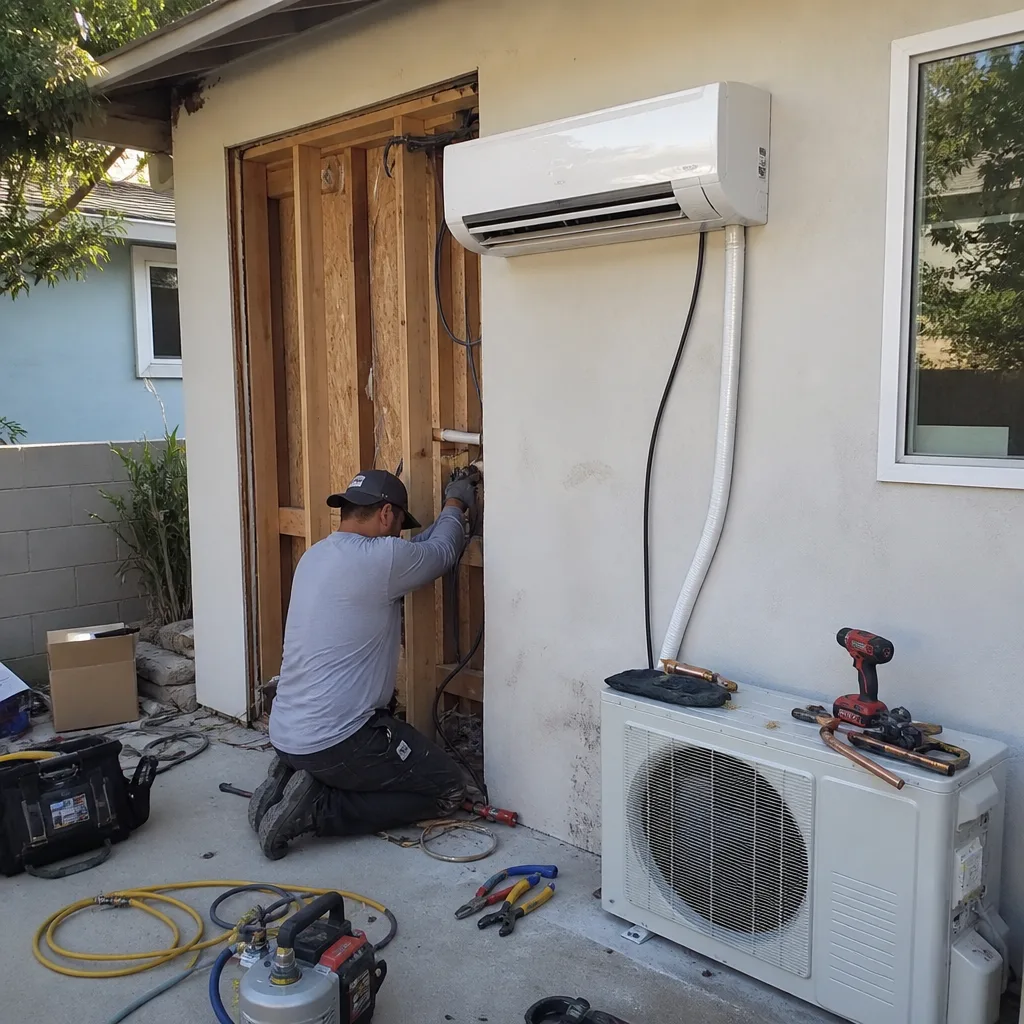
- Interior wall panels opening at the seams. This usually means the factory gasket between panels has compressed or degraded, and the panel connection bolts have loosened. In Los Angeles, the culprit is often the seasonal expansion and contraction between the coast and inland temperature swings.
- Door or window binding in the frame. The factory-installed bucks shift as the unit settles, especially if the foundation pad has moved. You’ll notice the door rubs at the top corner in summer and frees up in winter. That’s not a hinge problem. It’s a structural alignment problem.
- Water staining at the ceiling-to-wall transition. This is the roof-to-wall flashing detail. Plant Prefab ships this as a site-installed component, and it’s the single most common installation error we see in Los Angeles. A third-party installer misses a step, and six months later the paint is bubbling.
- Musty smell near the utility chase. The plumbing and electrical chase penetrations are sealed with factory gaskets that degrade faster in high-heat conditions. In the San Fernando Valley, we see these fail in five to seven years. Moisture gets into the chase, and the smell tracks back to it.
- Utility chase access panel won’t stay seated. The cam-lock hardware that holds the panel closed can wear, but more often the panel itself has warped slightly due to heat on the exterior-facing side. It’s a straightforward replacement when caught early.
Replacement Cost & What’s Included
For Los Angeles owners, here’s the range we quote for the most common Plant Prefab junior ADU conversion repairs:
- Panel seam reseal and re-fastening: $4,800-$7,200 depending on the number of seams and whether a lift is needed
- Door or window buck realignment and reseal: $2,100-$3,400 per opening
- Roof-to-wall flashing replacement: $3,900-$6,800 depending on roof access and eave condition
- Utility chase reseal and panel replacement: $2,800-$4,500 depending on the number of penetrations
- Full conversion inspection with photo documentation: $950 for the report, credited toward any repair work you approve
Every figure is parts and labor together, with a written line-item scope before you commit. Under Haven Standard Clause 1, the price we write is the price you pay. The range exists because site conditions differ, and a quote that assumes otherwise is fiction. We’ll also photograph what we find before and after, and every repair carries our 365-Day Done Right Promise in writing.
DIY or Call Us?
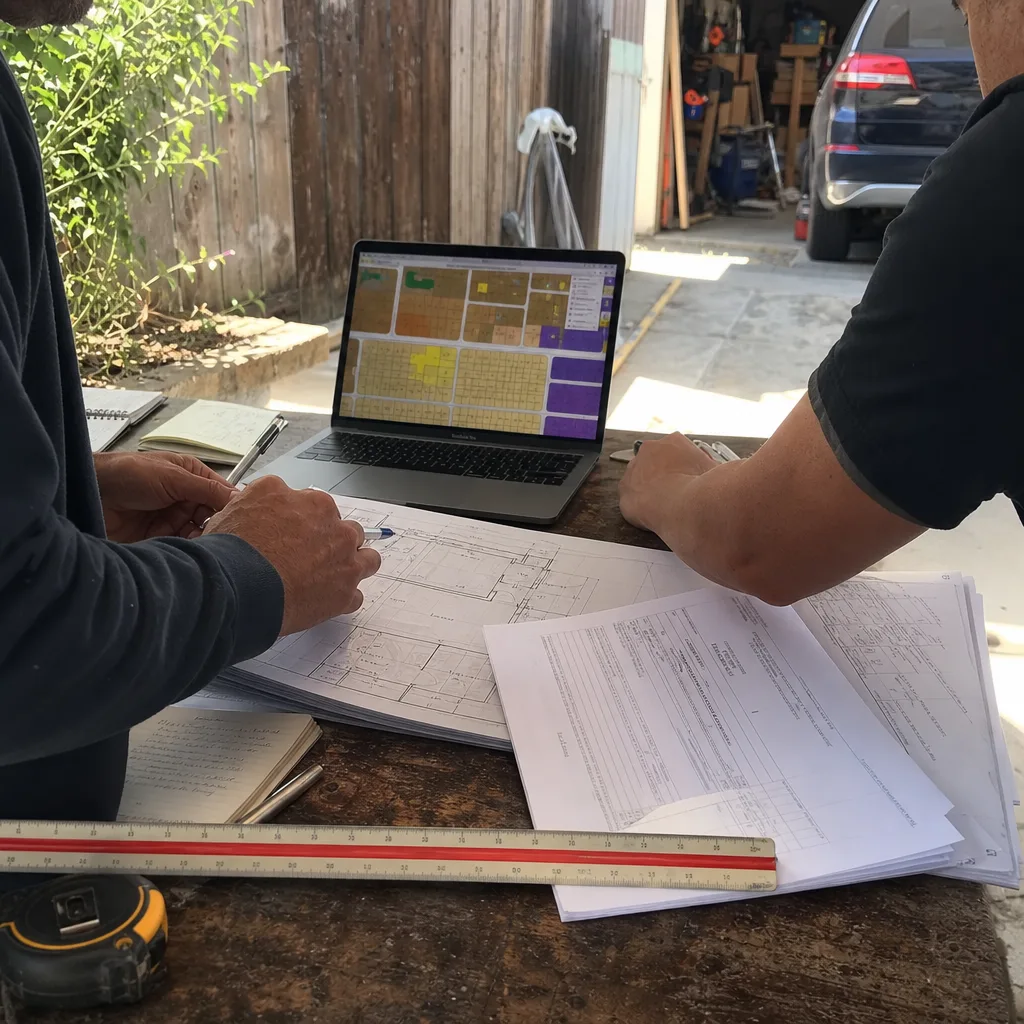
You can safely do two things on your own: visually inspect the panel seams for opened gaps and photograph any water staining, and check the utility chase for signs of moisture or pest entry. That’s where the safe DIY work ends.
The panel connection hardware on a Plant Prefab unit holds structural loads, and loosening or removing a connection bolt without understanding what that wall is carrying can put the entire assembly out of tolerance. Same warning applies to the roof-to-wall flashing: working at height on a ladder with sealant and fasteners is how owners end up with a bigger leak than they started with. If the work requires a ladder beyond step-stool height or involves any structural connector, call (971) 497-2402. We’ll send someone who has done this on Plant Prefab panels before, and we’ll show you the photos when we’re done.
FAQs
Plan on 8 to 12 years for gaskets, flashing, and weather seals in Los Angeles conditions. Coastal exposure shortens that to the lower end of the range, and inland valley heat does too. Factory structural connectors typically outlast the weather seals, but they need inspection and occasional re-torquing after the first few years of settlement. Call (971) 497-2402 and we’ll tell you what your specific unit is likely to need based on its serial number.
Sometimes, but not as often as owners hope. A gasket that has compressed can be shimmed in the short term, but the seam will open again. Flashing that has cracked from UV exposure cannot be repaired, only replaced. We’ll give you the honest call either way, and we’ll show you photos of the condition so you can see the reasoning.
Most Plant Prefab junior ADU conversion repairs take one or two site visits. A panel seam reseal is a single full day with a two-person crew. Flashing replacement can run two days if we need scaffolding or a lift. We’ll give you the schedule in writing before work begins, and we’ll document the completed work with photos.
We carry the common gaskets, flashing, fasteners, and connection plates for recent Plant Prefab production runs on our trucks, and we can source the rest through our local Los Angeles suppliers within a few business days. Older units with discontinued hardware may require a longer lead time, which we’ll flag in the written estimate before you commit.
Written by Nadia Ellery, Principal, Ellery ADU Studio at Ellery ADU Studio, serving Los Angeles and nearby areas.