
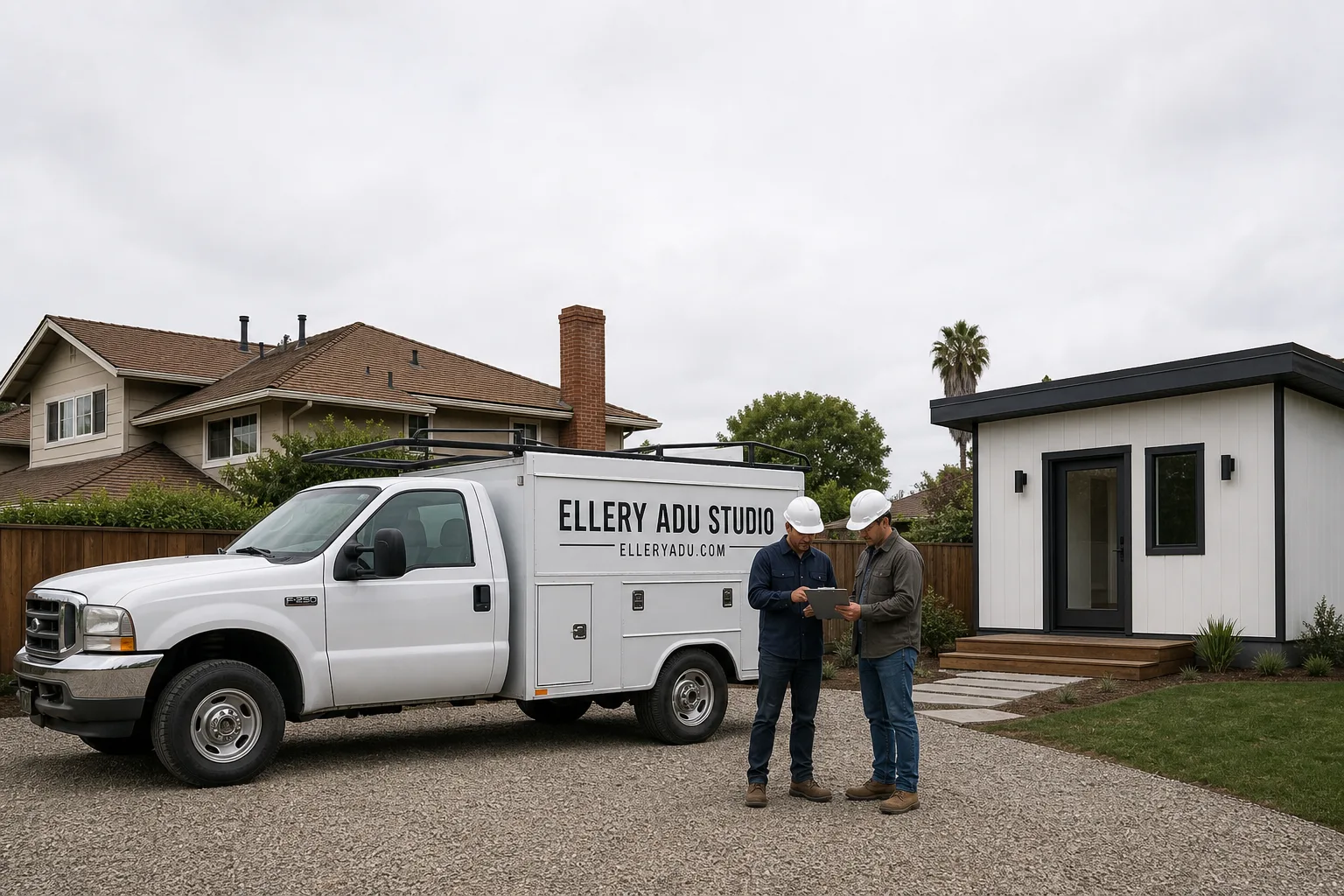
Will an ADU Add Value to My Home?
What’s Happening
Yes, a permitted ADU almost always adds measurable value to a property – and in most markets, it adds more value per dollar spent than a kitchen remodel or a bathroom addition. The key word is permitted. An unpermitted ADU often subtracts value or complicates a future sale.
When homeowners ask this question, they’re usually standing at one of two moments: they’ve just gotten a quote that felt high and they want to know whether the math works, or they’re looking at a property with an existing ADU and they’re trying to figure out what they actually bought. Both questions have the same answer at the root: value is created by a unit that a lender can appraise, a tenant can legally occupy, and a buyer can finance. All three of those things require a certificate of occupancy, and a certificate of occupancy requires a permit. The design and the build quality determine how much value. The permit determines whether that value counts.
Why It Happens
The ADU is permitted and built to the drawings – maximum value scenario
When the drawings match the build and the local building department signed off at each inspection, the finished unit can be included in an appraiser’s square footage calculation and rental income analysis. Appraisers vary in how they handle ADUs, but a properly documented, separately metered unit with a certificate of occupancy gives them every tool they need to credit the full value. This is the scenario Ellery is built to produce.
The ADU is unpermitted – the most common value killer
Garage conversions and backyard studios built without permits are more common than most homeowners realize. If a previous owner or contractor did the work without pulling permits, the unit may not appear in county records, can’t be legally rented in most jurisdictions, and will likely require disclosure during a sale – which depresses offers or kills them. You can usually tell if a unit is unpermitted by asking the building department for the permit history on your address; if nothing comes up for the conversion, the work wasn’t permitted.
The ADU is permitted but built off-spec – a documentation gap
Some units were permitted but the build drifted from the approved drawings: a wall moved, a window omitted, a ceiling height changed. Inspectors catch many of these, but not all. If the finished unit doesn’t match the permitted drawings, an appraiser or a buyer’s lender can flag it during due diligence. You’d typically discover this by pulling the original permit drawings from the building department and walking the unit with those drawings in hand.
The ADU is permitted but the market hasn’t caught up yet
In some markets and some property types, appraisers are still figuring out how to value ADUs consistently. This is more of a timing issue than a construction issue, and it tends to resolve as ADU sales comps accumulate locally. If you’ve had an appraisal that didn’t fully credit your ADU, a second appraisal ordered with an appraiser who specializes in properties with ADUs often produces a different result. This is worth knowing before assuming the unit didn’t add value.
What to Do Right Now
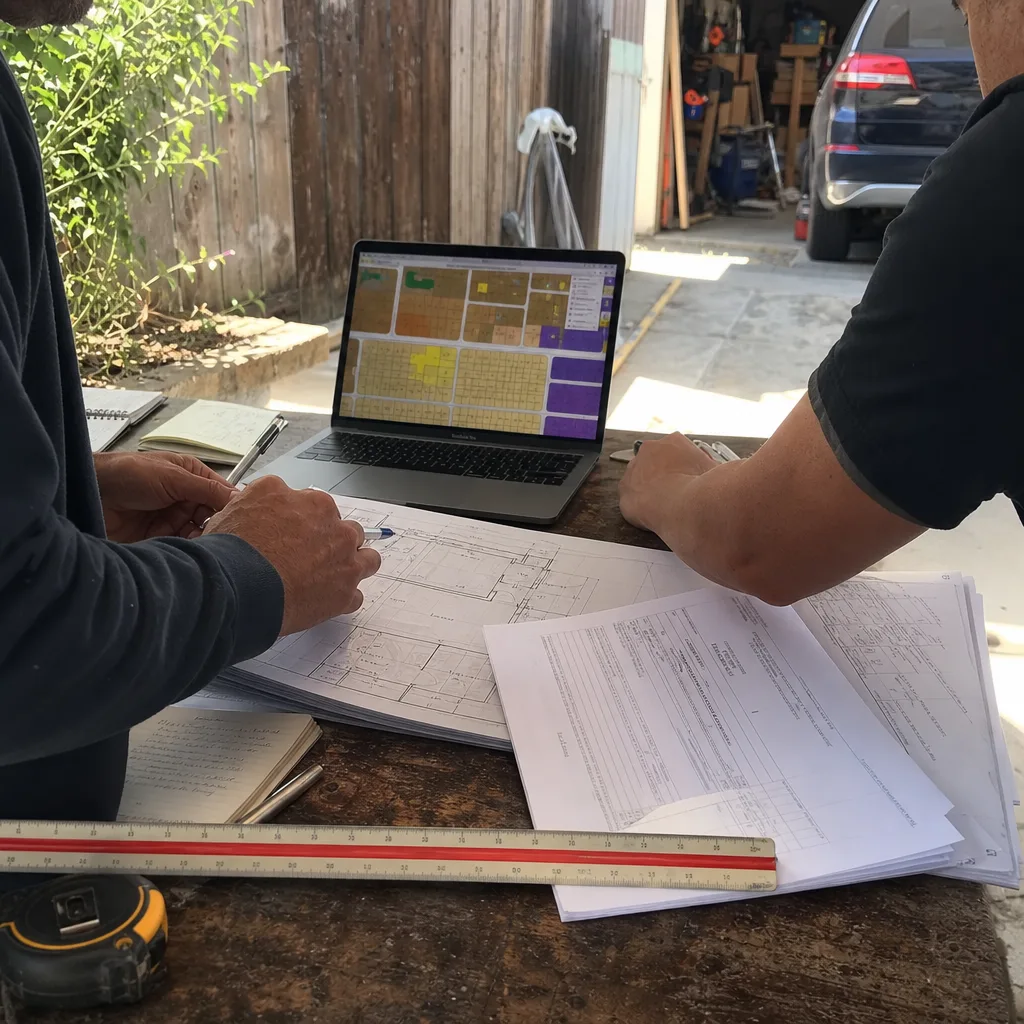
- Pull the permit history. Go to your local building department’s website (most have an online permit lookup) and search your address. If there’s no permit record for the ADU or conversion, you now know the scope of the issue.
- Locate any existing drawings. If you have permit drawings, pull them out. If you’re buying a property, ask the seller’s agent for the permit set. The drawings tell you what was approved; the building tells you what was built.
- Don’t skip the certificate of occupancy check. A permit was pulled is not the same as a permit was finaled. Search for a final inspection record or a certificate of occupancy specifically – some projects were permitted, partially inspected, and then never finaled when the work hit a snag.
- Photograph what you can see. If you suspect an unpermitted conversion or a deviation from the drawings, photograph the current condition of the unit before anyone opens walls or makes changes. Document what exists now.
- Get a written opinion before making decisions. Whether you’re deciding to build, retrofit, or buy, a written assessment with a written price is the starting point. Ellery offers a free second opinion on any written estimate already in hand – bring what you have.
How We Fix It
When your local Ellery ADU Studio team visits, the first thing we do is establish what exists on paper and what exists on site. If you’re starting from scratch, we assess the lot, the setbacks, and the utility connections, then put a written scope and a written price in front of you before any work begins – Haven Standard, Clause 1, no exceptions.
If you have an existing unpermitted unit, we assess what a permit-ready retrofit would require: updated drawings, a permit application, any corrections needed to bring the build into compliance, and the inspections required to final it. That path falls under our ADU Design and Permitting service, and it ends with a certificate of occupancy – the document that turns a liability into an asset.
New detached ADUs and garage conversions follow the same single-contract model: one price, one team, one point of accountability from drawing to final inspection. The 365-Day Done Right Promise is in writing before we start. If the finished unit doesn’t match the permitted drawings, we make it right. Every project leaves a documented photo record – not a summary, the actual photos.
Timeline varies by project type and local permit queue. Your local Ellery team will give you a realistic schedule in writing, not a best-case estimate designed to win the job.
Frequently Asked Questions
A permitted ADU typically adds value in two ways: it increases the appraised value of the property, and it generates rental income that can be capitalized into a sale price. The exact number depends on your local market, the size and quality of the unit, and how the appraiser handles ADU comps in your area. Ellery will give you a written price before any work starts so you can run that math clearly, not against a moving target. Call (971) 497-2402 to schedule your free estimate.
In most cases, yes. Disclosure requirements vary, but most standard sale contracts require sellers to disclose unpermitted work, and buyers’ lenders often won’t finance a property with an unpermitted unit that’s being counted in the square footage or rental income. The better path is almost always to retrofit the unit into compliance and final it before listing – which is a service your local Ellery team can scope and price in writing. Call (971) 497-2402 to get a written second opinion on where you stand.
An unpermitted unit creates two categories of ongoing risk: legal and financial. Legally, renting an unpermitted unit in most jurisdictions exposes you to code enforcement action, and in some cases tenant disputes based on habitability requirements. Financially, the longer unpermitted work sits, the more likely building codes will have changed – making compliance more expensive when you do act. It’s not a crisis that demands you call today, but it’s not something that improves with time either. Call (971) 497-2402 to get a clear picture of what a retrofit would involve, in writing, before you decide anything.
Your local Ellery ADU Studio team can schedule an initial consultation quickly – the first step is always a written assessment and a written price, because that’s the only honest starting point for a project of this size. ADU design, permitting, and construction is a months-long process, and we’ll give you a realistic timeline in writing rather than a start-date that moves after you’ve signed. Call (971) 497-2402 or book online and a live person will answer – not a voicemail queue.
Get It Fixed
Your local Ellery ADU Studio team has designed, permitted, and built ADUs since 2015 – every one with a written price before work started. Call (971) 497-2402 or book online to get your free written estimate. A live person answers, always.
Written by Nadia Ellery, Principal, Ellery ADU Studio – designing and building permitted ADUs nationwide since 2015.
What Our Customers Say
"The rental income has covered the payment since the second month. They were realistic about the numbers rather than optimistic."
- Odette N."They walked us through setbacks and utility capacity before we paid anything, and told us one of our two options was not going to get approved."
- Mireille T."Every allowance was itemised at the start, so the finish selections did not turn into a surprise at the end."
- Benedict H.